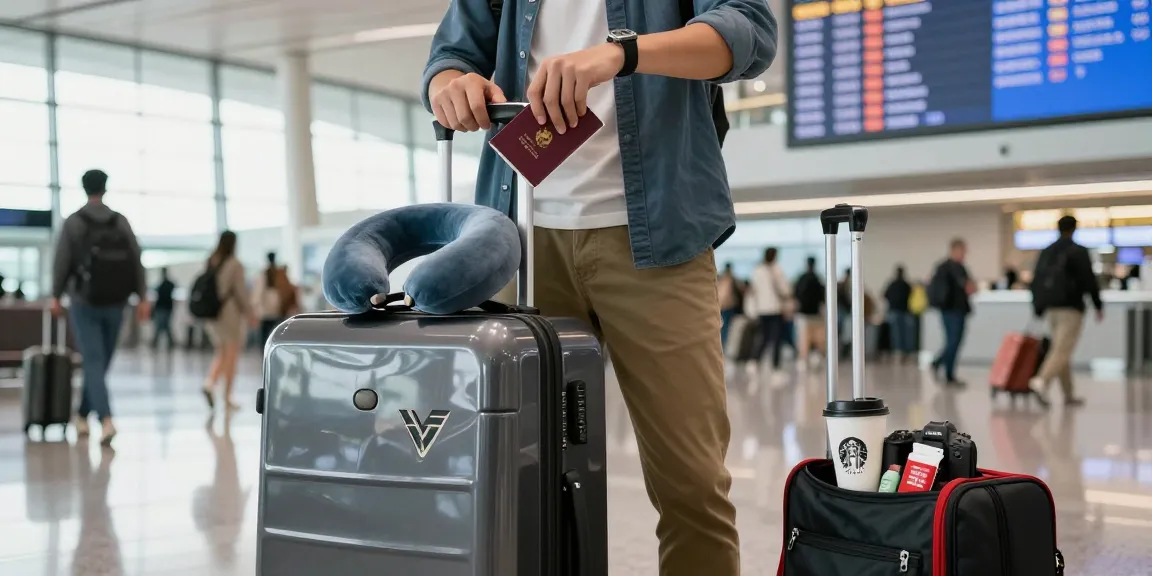
Understanding the Importance of Branded Luggage
In today's competitive marketplace, branded luggage serves as more than just a travel necessity; it acts as a powerful marketing tool. With the travel industry rebounding post-pandemic, businesses can leverage branded luggage to elevate their brand's visibility and recognition among target audiences. Companies that invest in quality travel products, such as bags and suitcases, are not only offering functional items but also creating memorable experiences and associations with their brand. When exploring options, branded luggage can provide comprehensive insights into promotional strategies that resonate with consumers.
Why Branded Luggage Matters for Your Business
Branded luggage plays a crucial role in business identity. When customers see their luggage showcasing a logo or a brand name, it cultivates a sense of loyalty and trust. These products often serve as walking billboards that promote your brand wherever they go. Additionally, as more consumers seek personalized experiences, branded luggage can reflect your company’s culture and values, enhancing connection with customers.
The Influence of Quality on Brand Perception
Quality is a non-negotiable aspect of branded luggage. High-quality materials and craftsmanship not only ensure durability but also enhance brand perception. Customers associate high-quality products with reliability and excellence. This perception can significantly impact their purchasing decisions and influence their loyalty to your brand. Brands like TUMI and Briggs & Riley are perfect examples of how quality luggage can create a loyal customer base willing to invest in premium products.
Common Misconceptions About Branded Travel Products
Many businesses hesitate to invest in branded luggage due to misconceptions about costs and effectiveness. Some believe that promotional products are merely a fad, but statistics show that branded merchandise can yield a return on investment far exceeding traditional advertising methods. Furthermore, others may think that branding is only effective for large corporations, but small to medium-sized businesses can benefit just as much by creating memorable associations through quality branded luggage.
Current Trends in Branded Luggage for 2026
The landscape of branded luggage is evolving rapidly, driven by changing consumer preferences and technological advancements. Brands must stay abreast of these trends to remain competitive and relevant in the marketplace.
What Styles Are Trending in Luggage Design?
In 2026, consumers are gravitating towards versatile, stylish, and functional luggage designs. Soft-shell suitcases are gaining attention for their lightweight nature and expandability, making them ideal for frequent travelers. Smart luggage equipped with USB ports, built-in scales, and tracking capabilities is also becoming increasingly popular, appealing to tech-savvy consumers looking for convenience. Additionally, environmentally friendly materials are emerging as a significant trend, as consumers prefer brands that prioritize sustainability.
Customization Options That Attract Consumers
Personalization is key in the luggage market. Consumers now expect customization options that allow them to express their individuality. This can include selecting colors, materials, and even adding initials or logos. Companies offering such tailored experiences not only meet consumer demand but also create stronger emotional connections with their customers.
Sustainability Practices in the Luggage Industry
As awareness of environmental issues grows, so does the demand for sustainable luggage options. Brands are increasingly utilizing recycled materials and eco-friendly production processes. Companies that embrace sustainability in their products—such as offering responsibly sourced materials or engaging in carbon offset programs—can enhance their marketability and appeal to environmentally conscious consumers.
Choosing the Right Branded Luggage for Your Audience
To effectively market branded luggage, businesses must first understand their target audience. Different consumer segments have unique needs and preferences that influence their purchasing decisions.
Identifying Target Markets for Travel Products
Identifying the right target market is paramount for any successful promotional strategy. Factors such as demographic profile, lifestyle, and travel habits play significant roles. For instance, corporate clients may require professional-looking luggage for business trips, while adventure travelers may prefer durable and rugged options that can withstand challenging environments.
Understanding User Needs and Preferences
To align products with user preferences, conducting market research is essential. Surveys and focus groups can provide insights into what features consumers value most, from organizational compartments to security features. Companies can leverage this data to tailor their offerings and marketing strategies effectively.
How to Align Products with Corporate Branding
Corporate branding must extend to promotional products like luggage. By ensuring that branded luggage reflects your company's identity—through colors, logos, and design—it helps create a cohesive brand image. This alignment not only enhances recognition but also reinforces corporate values and message consistency across all touchpoints.
Strategies for Marketing Branded Luggage Effectively
Effectively marketing branded luggage requires a multifaceted approach. Businesses must leverage various channels and strategies to maximize their impact.
Leveraging Social Media to Promote Travel Gear
Social media platforms are powerful tools for promoting branded luggage. Engaging visuals, stories, and user-generated content can showcase your products in authentic settings. Consider hosting giveaways or contests that encourage users to share their travel experiences with your luggage, amplifying brand visibility and customer engagement.
Collaborating with Influencers in the Travel Space
Influencer partnerships can introduce your brand to new audiences. Collaborating with travel influencers allows for authentic promotion as they create content showcasing your luggage during their journeys. This not only builds credibility but also drives interest and potential sales among their followers.
Best Practices for Creating Engaging Content
When marketing branded luggage, focus on creating engaging, informative content. Blog posts, how-to guides, and travel tips can provide value to your audience while seamlessly integrating your products. High-quality imagery and compelling storytelling can elevate your brand’s narrative, making potential customers more likely to connect with your products.
Measuring Success and Future Opportunities
To ensure that your branded luggage strategy is effective, measuring success through relevant metrics is essential. This ongoing evaluation can help identify areas for improvement.
Key Performance Indicators for Luggage Campaigns
Common KPIs for measuring the success of luggage campaigns include sales growth, customer engagement rates, and return on investment. Tracking these metrics over time allows businesses to gauge the effectiveness of their marketing efforts and adjust strategies accordingly.
How to Gather Customer Feedback for Improvement
Customer feedback is invaluable for refining product offerings and marketing strategies. Implementing feedback loops through surveys or direct communication channels can provide insights into customer satisfaction and areas needing improvement. This information is critical for maintaining competitiveness in the evolving market.
Looking Ahead: Innovations in Luggage for 2026 and Beyond
The future of branded luggage is bright, with innovation driving the industry forward. Anticipated advancements include enhanced smart technology, luggage that can charge devices wirelessly, and even AI-driven designs that adapt to user preferences. Companies that stay ahead of these trends will likely lead the way in capturing market share in the years to come.
What Are the Benefits of Using Branded Luggage?
The benefits of using branded luggage extend beyond mere aesthetics. These items can enhance customer loyalty, create promotional opportunities, and elevate brand visibility. By incorporating quality and thoughtful design, businesses can turn travel accessories into effective marketing tools.
How Can Businesses Customize Their Luggage Products?
Customization can be accomplished through various methods, including embroidery, silk-screen printing, and using unique materials. By offering customization choices, businesses can cater to their clients' personal styles and needs, solidifying long-term relationships.
What Are the Best Brands for Branded Luggage in 2026?
As the market evolves, brands like Samsonite, TUMI, and Briggs & Riley continue to lead the way in quality and innovation. Offering custom options alongside their established reputation can make them appealing choices for businesses seeking branded travel products.
How Does Branding Impact Customer Loyalty?
Branding significantly influences customer loyalty. When consumers resonate with a brand’s values and quality, they are more likely to become repeat customers. Branded luggage acts as a constant reminder of positive experiences associated with the brand, fostering loyalty over time.
What Trends Should We Watch for in Travel Accessories?
Looking toward the future, trends to watch include a continued emphasis on eco-friendly materials, the integration of technology into design, and personalized travel solutions. As consumers become more discerning, brands that prioritize these aspects will likely see greater success.